Real Estate
Killdeer City Commission meets new businesses, revisits pending requests
By Lillian Frost
Advertisement · Why this ad?
Ravi Patel has a background in economics and journalism, graduated from the University of North Dakota. With four years of experience at local news outlets, he specializes in business trends and economic development in the Grand Forks area.
More from Ravi →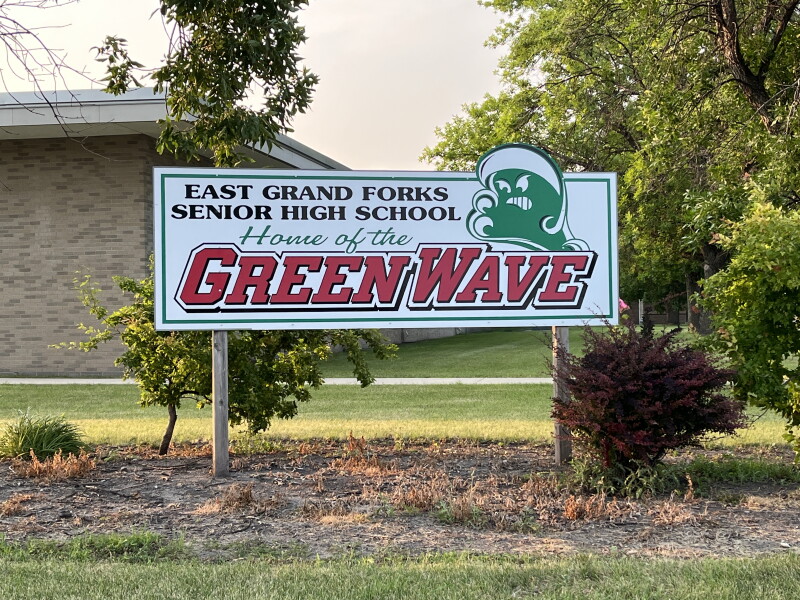
As the sun set on election night in East Grand Forks, a palpable sense of disappointment hung in the air. In the heart of the community, residents gathered to hear the results of three crucial ballot measures aimed at funding much-needed improvements for the local schools. The atmosphere was charged with hope, yet the outcome was stark: all measures failed to secure the support they desperately needed.
On Tuesday evening, voters in the East Grand Forks School District decisively rejected a series of referendums designed to address aging infrastructure and enhance educational facilities. The most significant was Measure 1, a proposed 10-year, $600,000 annual operations levy that aimed to sustain essential programs and maintain class sizes. Unofficial results from the Minnesota Secretary of State’s Office indicated that 52.42% of voters opposed this measure.
Measure 2, which sought to fund deferred maintenance projects across three of the district's four schools, also fell short, with 50.21% voting against it. Lastly, Measure 3, which would have allowed for the construction of a new building addition at New Heights Elementary to centralize the preschool program, was rejected by a staggering 56.11% of voters. The preschool students are currently scattered across separate classrooms, a situation that the proposed addition aimed to remedy.
“We’re disappointed that none of them were supported,” said East Grand Forks Public Schools Superintendent Kevin Grover. “Unfortunately, the students and staff are the ones this is going to impact.” This sentiment echoes the frustrations of many community members who recognize the pressing need for upgrades and improvements in the district.
The combined impact of these failed measures would have resulted in an estimated annual tax increase of $434 for homeowners, based on the average residential property value of $300,000 in East Grand Forks. While this figure may seem steep, it underscores the financial stakes involved in maintaining a quality educational environment.
For Grover and the school board, the failure of these measures means a continued struggle to secure funding for critical upgrades. The district's facilities, many of which were built nearly 30 years ago using federal relief funds following the devastating Flood of 1997, are now in dire need of attention. The proposed funds would have gone towards new secure entryways, improved lighting, heating, ventilation, and electrical systems at both elementary schools and Central Middle School.
“While these results are disappointing, the financial challenges, facility improvements, and space needs facing our district remain,” Grover stated in a post-election statement. He expressed gratitude for the community's ongoing support for the schools and emphasized the importance of collaboration moving forward.
The lead-up to the election saw months of public meetings organized by Grover and school board members, aimed at educating residents about the necessity of the proposed measures. Despite these efforts, the community ultimately chose to reject the funding requests. This outcome raises questions about the level of community engagement and the effectiveness of the district's outreach efforts.
Many community members were vocal about their concerns regarding the financial implications of the measures. Some felt that the proposed tax increases were too burdensome, especially in a climate where many families are facing economic uncertainty. Others expressed skepticism about the school district's ability to manage funds effectively, a sentiment that often arises in discussions about public education funding.
As the school district grapples with these challenges, it is crucial for Grover and the board to take a step back and evaluate their approach to community engagement. Building trust and fostering open dialogue with residents will be essential in any future attempts to secure funding for the schools.
The implications of these failed measures extend beyond financial considerations; they directly affect the students and staff within the East Grand Forks School District. With the absence of additional funding, the district may struggle to maintain class sizes, support extracurricular programs, and provide necessary resources for students.
Grover previously highlighted that the proposed operations levy would have funded the district's school resource officer, a critical position that contributes to the safety and well-being of students. The lack of funding for such roles could lead to increased challenges in maintaining a safe learning environment.
Moreover, the failure to address infrastructure issues means that students will continue to learn in outdated and potentially unsafe conditions. For educators, this presents significant hurdles in delivering quality instruction and creating an optimal learning atmosphere. As the community reflects on these outcomes, it is vital to consider the long-term consequences for the future of education in East Grand Forks.
In light of the recent election results, the East Grand Forks School Board and administration will need to reevaluate their priorities and develop a strategic plan to address the ongoing challenges facing the district. This may involve exploring alternative funding sources, seeking grants, or implementing cost-saving measures to redirect funds toward critical needs.
Grover emphasized the importance of listening to the community and exploring options to address the district's needs while remaining mindful of the financial impact on taxpayers. This approach will be crucial in rebuilding trust and garnering support for future initiatives.
Local residents and parents have expressed their deep concern over the recent election results. “It’s disheartening to see that our children’s education is not a priority for some,” remarked Lisa Thompson, a parent of two students in the district. “We need to invest in our schools to ensure they have the resources to thrive.” This sentiment is shared by many who believe that the quality of education directly correlates with the community's overall well-being.
Additionally, local businesses have also voiced their concerns, recognizing the link between educational quality and economic vitality. “A strong school system attracts families and businesses,” said Mark Johnson, a local business owner. “If we want to grow our community, we need to ensure our schools are equipped to provide a top-notch education.”
As discussions continue, community members are encouraged to attend future school board meetings and participate in forums that will allow them to voice their opinions and contribute to the decision-making process. Building a coalition of support among parents, educators, and local businesses will be essential in advocating for future funding measures.
As the community moves forward, it is essential to foster a collaborative spirit among residents, educators, and administrators. By working together, East Grand Forks can create a brighter future for its students and ensure that the American dream of quality education remains attainable for all families.
In conclusion, the recent election results serve as a wake-up call for the East Grand Forks School District. The rejection of these crucial funding measures highlights the need for a renewed commitment to community engagement, transparent communication, and a shared vision for the future of education in the area. Only through collective effort can the district hope to overcome these challenges and build a stronger foundation for generations to come.